Goto →
 External Links
Hungarian History
Local Links
Kossuth
5 Pengő
Hungarian Recipes
External Links
Hungarian History
Local Links
Kossuth
5 Pengő
Hungarian Recipes
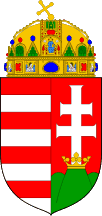
Absolute positioning These are NOT Images with the exception of the Coat of Arms
This div is absolutely positioned 848 pixels from the top and
260 pixels from the left of its containing block INSIDE Flag. Red is lighter in
both the Coat of Arms and Flag itself Colour red = red = #FF0000 = 255,0,0. Images below.
 Piros Fehèr Zöld ez a Magyar Föld
Different red in Coat ofA as well as flag
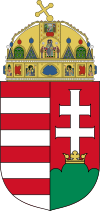
Absolute positioning These are NOT Images with the exception of the Coat of Arms
This div is absolutely positioned 1332 pixels from the top and
260 pixels from the left of its containing block INSIDE Flag.
Red color= #CC020C = 204,2,12 what appears to be a more traditional red. Images below.
Any changes additions above would alter the absolute positioning of the Coat of Arms in the flag!


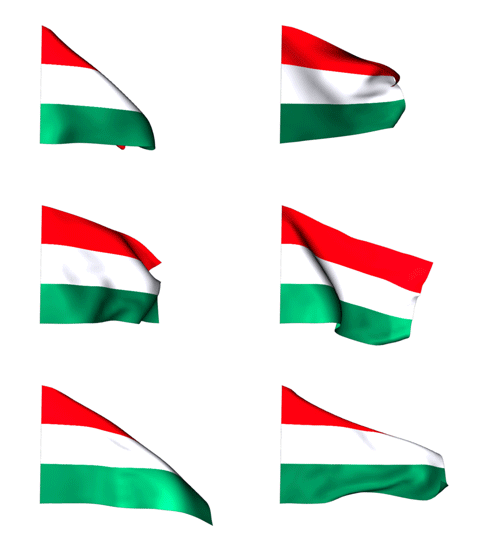
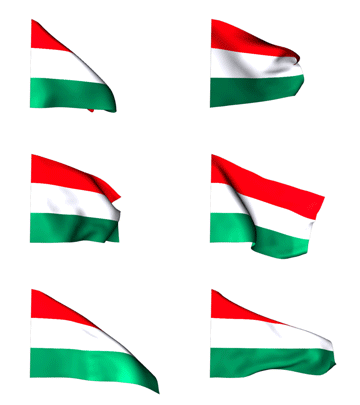


Animated Flags from around the world
This page started off as a learning experience using css but soon
developed into a mini project. Some items are not images at all even
though they may look like images. You may notice some of these items are simply
exercises in CSS but for the student it may prove valuable. Because
of its educational beginnings the page is somewhat disorganised.
It may be appropriate to provide a simple explanation here. Hungarian
is the english name of the country, this varies by language and nation
but in Hungary it is Magyar. It often puzzled me how
 USA or America
seems fairly universal as do many other nations but Germans call
Germany
Deutschland. Hungarians call their country
Magyarország and I am sure there are many many more examples.
How these names evolved seem a mystery to investigate another day.
America in itself seems odd since America is used to designate
the continents — North America and South America not to mention Central America.
If your name is Brown it is Brown (as badly as it may be pronounced) regardless of where in the world you go but
nations' names don't seem to have the same consideration.
Oh well I am sure there are many things much stranger in
the world to ponder.
USA or America
seems fairly universal as do many other nations but Germans call
Germany
Deutschland. Hungarians call their country
Magyarország and I am sure there are many many more examples.
How these names evolved seem a mystery to investigate another day.
America in itself seems odd since America is used to designate
the continents — North America and South America not to mention Central America.
If your name is Brown it is Brown (as badly as it may be pronounced) regardless of where in the world you go but
nations' names don't seem to have the same consideration.
Oh well I am sure there are many things much stranger in
the world to ponder.
Americans seem to force hyphenated nationality on people, Italian American
Irish American etc..., not so in Canada.
Hard to deny heritage,
not that I ever tried but having lived in Canada for 55 plus years
I consider it my home land, even though as you may have guessed I
was born in Hungary. I have never considered myself a hyphenated Canadian.
I am a Canadian who was born in Hungary. I have a mild interest in Hungary
as the land of my ancestors, with a rich and interesting history. It was the
sacrifices made by my parents that brought our family to Canada following
the short lived
Hungarian Revolution of 1956.
A link to my
personal Web Site.
Hungarians from all walks of life rose up against insurmountable
odds to fight the brutal Soviet-installed Hungarian communist
government. Thousands died fighting, others tortured and executed,
while 200,000 were forced to flee. My family is part of those who
fled and we settled in Canada. I remember October 23rd 1956 well.
Some of the
Revolutionary Images
are still vivid in my mind. I have a
chunk of the bronze, once part of the statue of Stalin (my brother Alex
had been keeping this for safe keeping for some 30 years, but it is back where it belongs in my home now). I am sure I have referenced the experience of cutting chunks of the dictator's statue, that had been dragged to just under our window. My dad and I took our very dull hacksaw to cut some souvenirs from the statue but bystanders without tools were eager to cut pieces for their own collection and while doing so cut a piece for us as well.
Enjoy the site. If you follow the links here you will find years
worth of research information, following the many, many links within
the referenced pages.


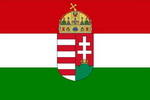

local css declared here 11px
Red = ce1126 white = ffffff green = 008751
unofficial colour code looks same as above
You may have noticed some changes on this website inflicted by functions in new
operating system and alterations in "upgraded" Internet Explorer.
Functions that worked flawlessly up to IE 8 no longer function in many cases.
I have captured images of how things used to work but are no longer supported.
IE 11 also stopped support for Java in Windows 8, so long a staple of website programmers.
The images are of much lower quality but do represent how it used to function.
I kept the original page Magyar1.html in case one day the functionality is restored.
Below are the titles followed by the copy of the original image.
local css declared here 11px centred 50% width NOT WORKING IE 11
(using image to recreate)

local css declared here 11px align RIGHT 30% width right margin 30px NOT WORKING IE 11
(using image to recreate)

local css declared here 11px align LEFT width 30% left margin 30px NOT WORKING IE 11
(using image to recreate)
Try Both left and right 11px 30% NOT WORKING IE 11 (using images to recreate)
Left Right Coat of Arms Dark Red NOT WORKING IE 11

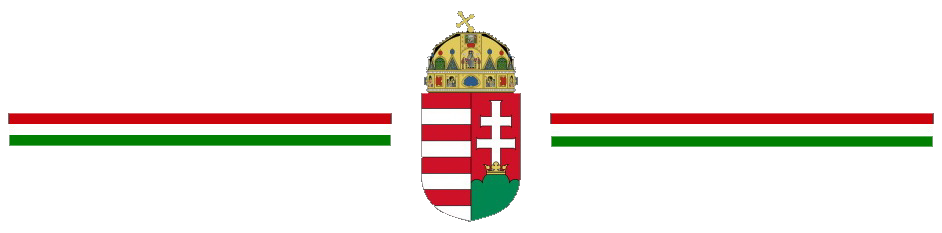
(using image to recreate) Left Right Coat of Arms Light Red NOT WORKING IE 11

Red White Green 33px local css Light RED
Red White Green 33px local css Dark RED
Left Right 33px Coat of Arms Light RED
Left Right 33px Coat of Arms Dark Red

Much clearer than the above images


Broader flag lines
Hungarian Coat of Arms through the ages – National, Royal, Provincial, Civic, Family etc. etc.
 Hungary Coat of Arms Black Background
- 59px Wide 125px High Full size is 550px by 1156px
Hungary Coat of Arms Black Background
- 59px Wide 125px High Full size is 550px by 1156px
 Hungary Coat of Arms Black Background (White white)
- 59px Wide 125px High (550px by 1156px)
Hungary Coat of Arms Black Background (White white)
- 59px Wide 125px High (550px by 1156px)
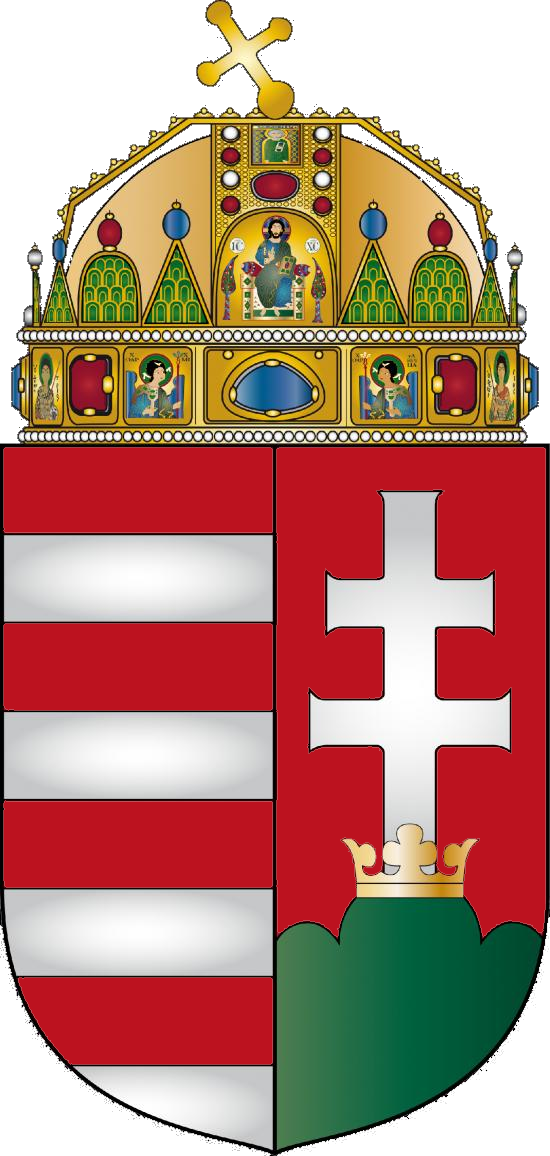 Hungary Coat of Arms Transparent Background
- 59px Wide 125px High Full size is 550px by 1156px
Hungary Coat of Arms Transparent Background
- 59px Wide 125px High Full size is 550px by 1156px
 Hungary Coat of Arms Transparent Background (White white)
- 59px by 125px (550px by 1156px)
Hungary Coat of Arms Transparent Background (White white)
- 59px by 125px (550px by 1156px)


Images displayed are not all full size
Click image to display full size version
Printable Large Image
NOTE that some images are transparent background
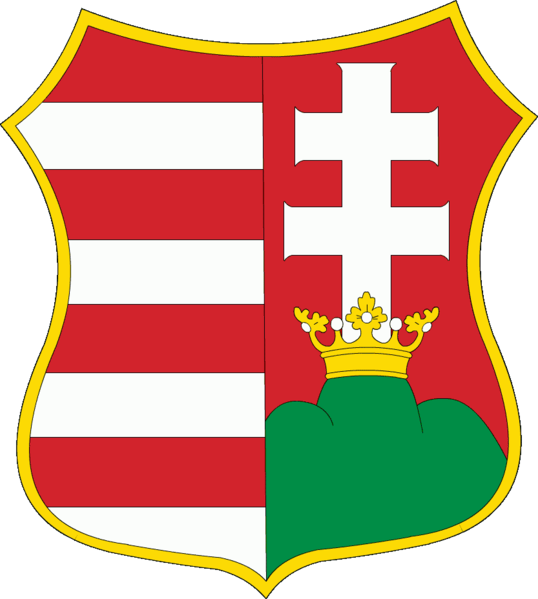 Kossuth Coat of Arms - click to view full size
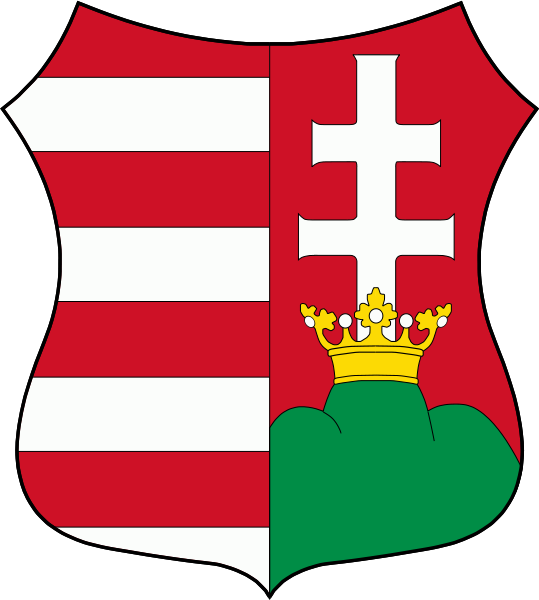 Kossuth Coat of Arms - click to view full size
Kossuth
- 1848 revolutionary leader, a national hero honoured to this day
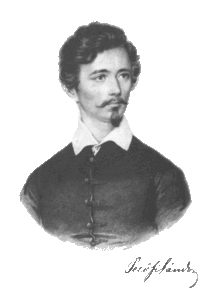
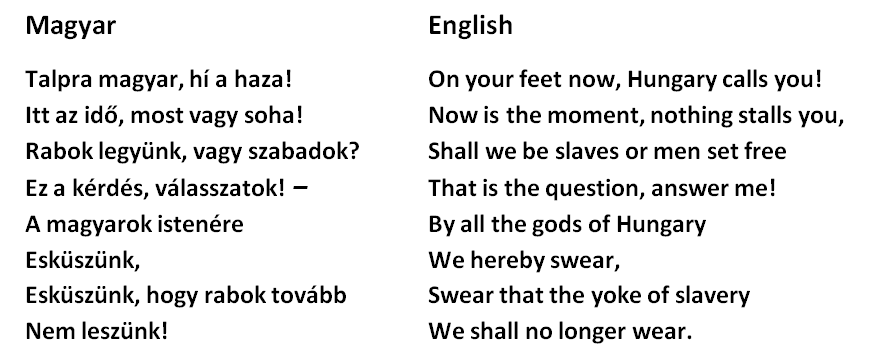
Petőfi Sándor - a poet and national hero of the 1848 March 15th revolutionary era
perhaps his most famous work,
Nemzeti Dal (wikipedia) the
First Verse of which
is etched into every Hungarian's mind for a lifetime.
Alternate Translation.
Local copies
Nemzeti Dal — Talpra Magyar
Modified Alternate Translation.
Sinkovits Imre - Talpra Magyar – Recited in Hungarian
_svg_133x149.png "Hungary Coat of Arms (1949-1956)")
_svg_180x200.png "Hungary Coat of Arms (1949-1956)")
_536x500.png "Hungary Coat of Arms (1949-1956) Click to view full size image")

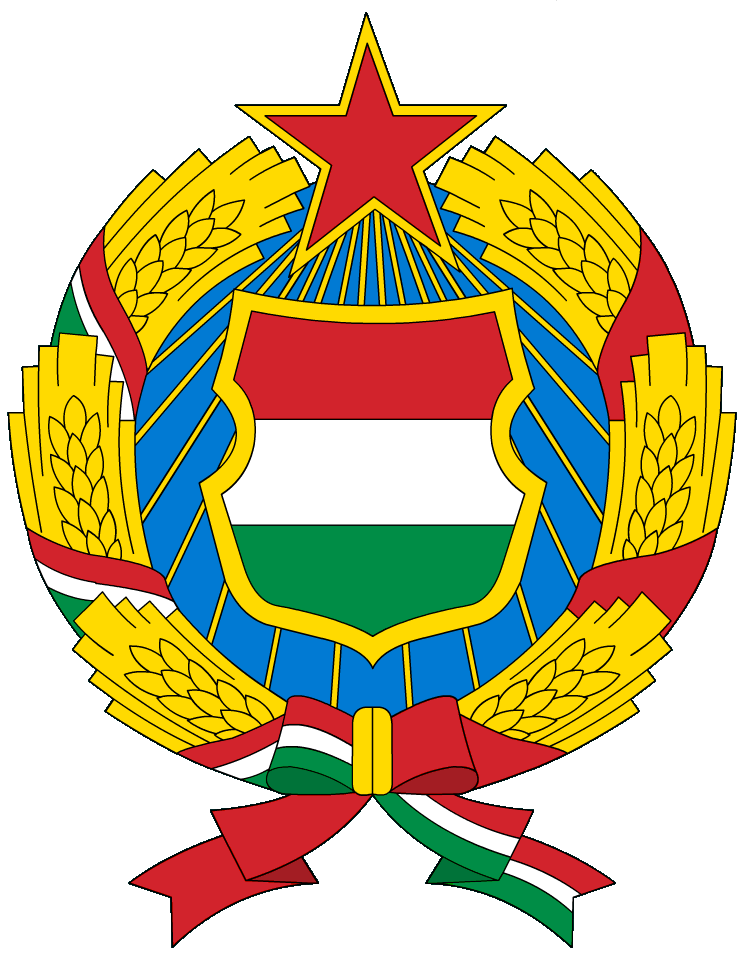
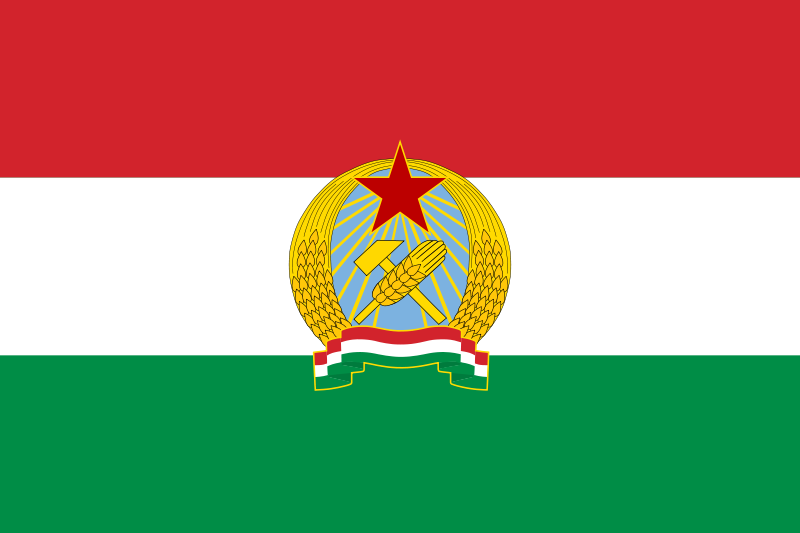
Images with a border have a larger version, view by clicking on the image.
_800x533.png "Hungarian Flag 1867-1918")
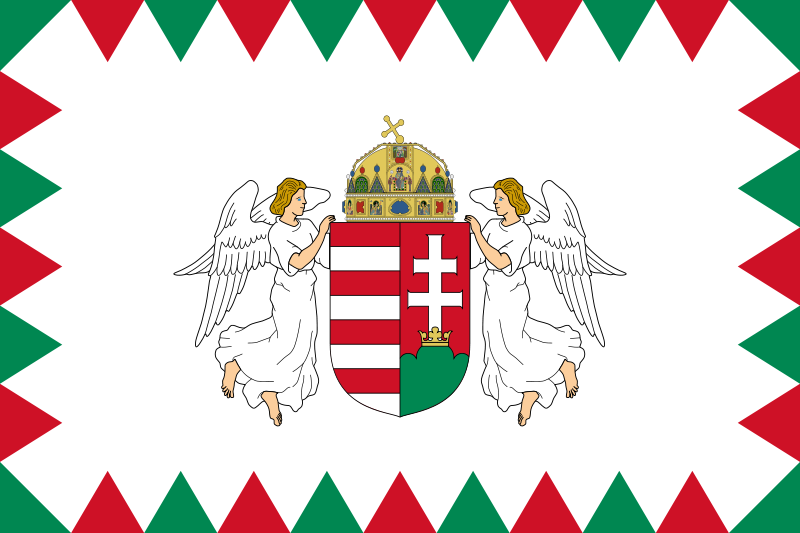
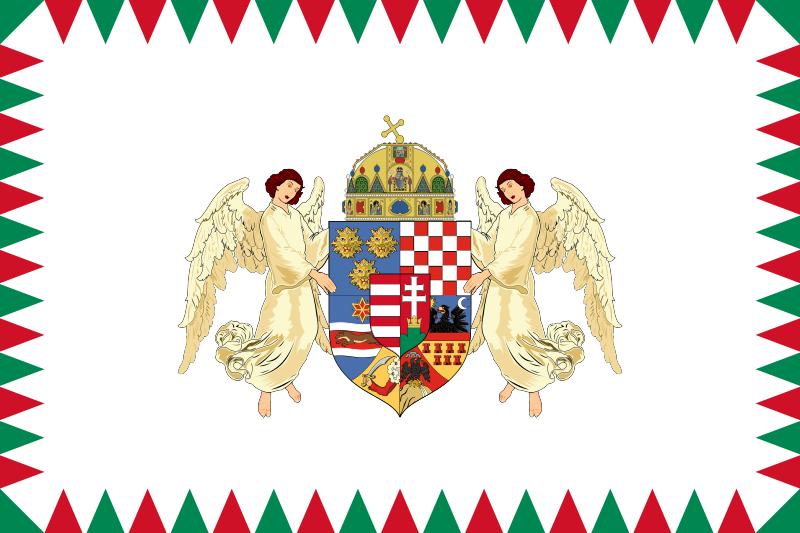

Click on images above for full size image
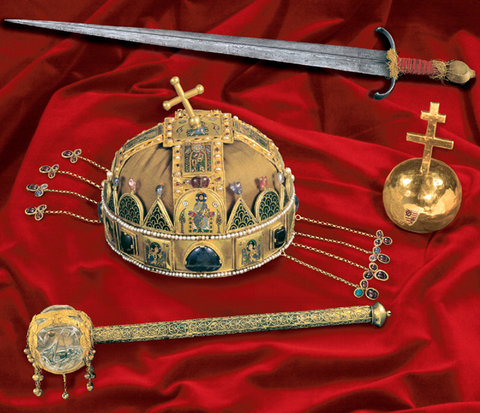
The Holy Crown - an interesting and powerful history! 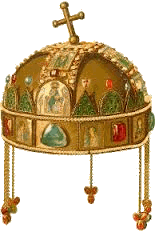 Images of The Hungarian Holy Crown
Coronation of a King
An interesting insight into the status of Church and State into the twentieth century.

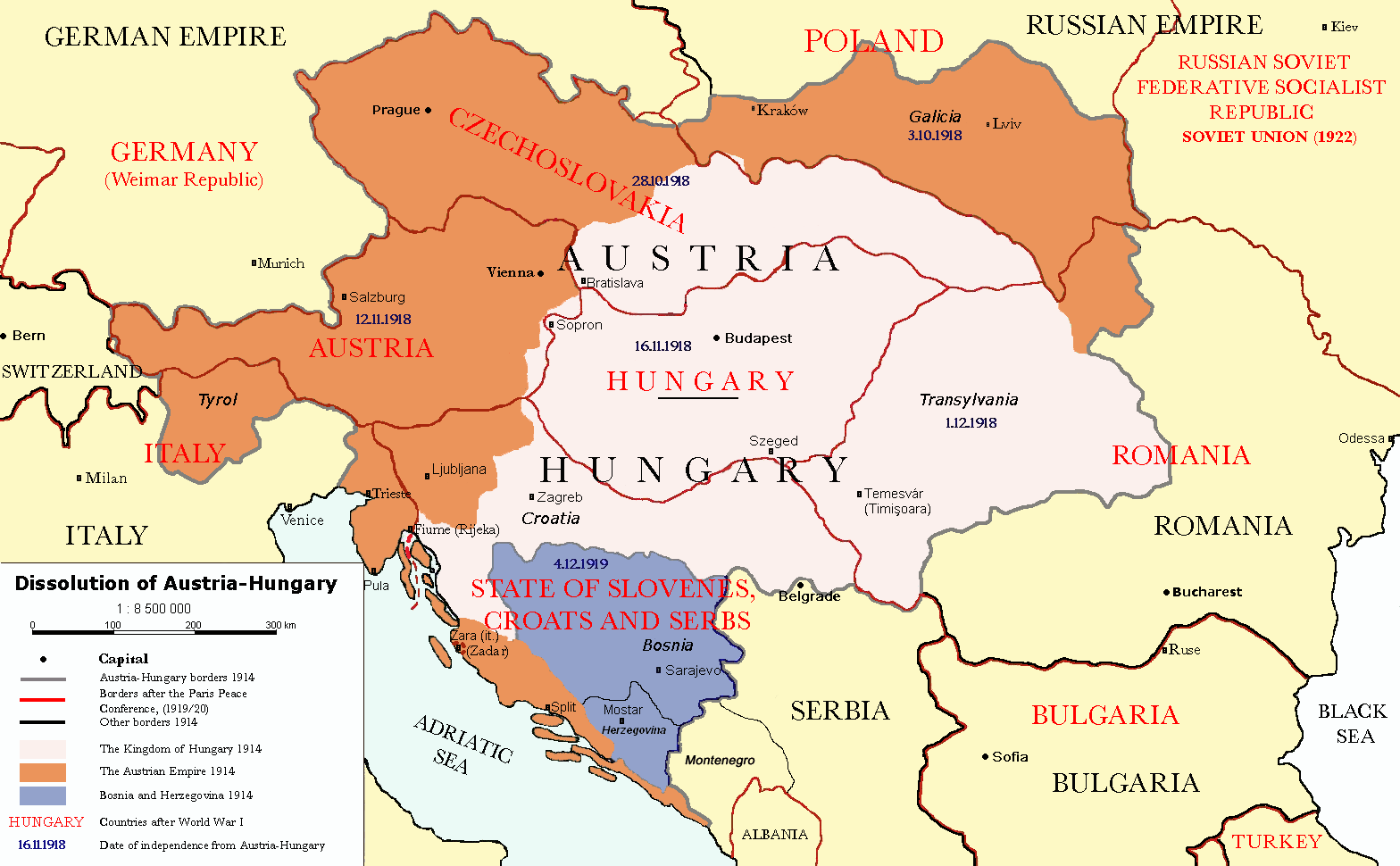
Trianon
was perhaps the most drastic and controversial element in
the post-War settlement.
.....Hungary was not, you would think, particularly guilty: she
had been dragged into the war by her Austrian partners.
(Make sure you understand exactly how
Austria-Hungary worked.)
.....But Hungary was surrounded by enemy states, who all
wanted to seize Hungarian land, and full of ethnic minorities
who were whipped into resentment and nationalist fervour by agitators.
.....The Treaty of Trianon was forced on the hopeless Hungarians
in June 1920. Apart from the usual reparations and limits on
future military structure, the Treaty imposed territorial
penalties which were fantastically severe. Lands
(before dissolution)
which had been Hungarian for a millennium went to Poland, Czechoslovakia,
Rumania, Yugoslavia, Italy and even Austria. Among the losses
was Prekmurje, given to the Jugoslavs and now part of Slovenia.
.....Hungary lost an appalling 72% of her territory, and
two-thirds of her population. Almost a third of the Hungarian
race was left outside the rump Hungary, transformed into minorities.
This minorities was badly treated for many years, and is still
badly treated in Slovakia (where you can be fined for using
Hungarian when conducting business, or publishing books, or singing in public).
Hungarians in Rumania too were harshly treated as second class citizens.
Treaty of Trianon,
(1920), treaty concluding World War I and
signed by representatives of Hungary on one side and the
Allied Powers on the other. It was signed on June 4, 1920,
at the Trianon Palace at Versailles, France.
The Allies' presentation of their terms for peace with Hungary
was delayed first by their reluctance to treat with Béla Kun's
communist regime in that country and subsequently by the obvious
instability of the more moderate Hungarian governments that
assumed office during the Romanian occupation of Budapest
(from August to mid-November 1919).
At last, however, the
Allies recognised a new government, and on Jan. 16, 1920,
at Neuilly, near Paris, a Hungarian delegation received the
draft of a treaty.
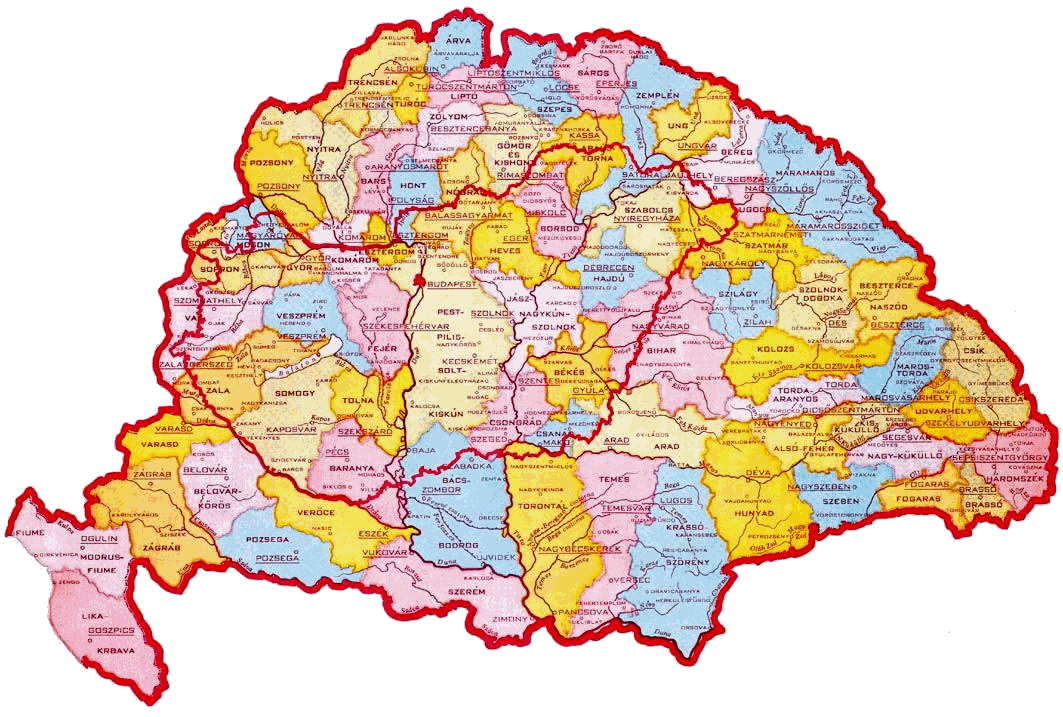 By the terms of the treaty, Hungary was shorn of at least
two-thirds of its former territory
and two-thirds of its inhabitants.
Czechoslovakia was given Slovakia, sub-Carpathian Ruthenia,
the region of Pressburg (Bratislava), and other minor sites.
Austria received western Hungary (most of Burgenland).
The Kingdom of Serbs, Croats, and Slovenes (Yugoslavia)
took Croatia-Slavonia and part of the Banat. Roumania received
most of Banat and all of Transylvania. Italy received Fiume.
Except for plebiscites in two small regions, all the transfers
were effected without any plebiscites.
By the terms of the treaty, Hungary was shorn of at least
two-thirds of its former territory
and two-thirds of its inhabitants.
Czechoslovakia was given Slovakia, sub-Carpathian Ruthenia,
the region of Pressburg (Bratislava), and other minor sites.
Austria received western Hungary (most of Burgenland).
The Kingdom of Serbs, Croats, and Slovenes (Yugoslavia)
took Croatia-Slavonia and part of the Banat. Roumania received
most of Banat and all of Transylvania. Italy received Fiume.
Except for plebiscites in two small regions, all the transfers
were effected without any plebiscites.
Click to view larger image
The Covenant of the League of Nations was integrally included
in the treaty. Hungary's armed forces were to be restricted to
35,000 men, lightly armed and employed only to maintain internal
order and to secure the frontiers. The amount of reparations to
be imposed was to be determined later.
The seeds of much resentment, ethnic conflict, and interwar
tension were sown through the treaty. Hungarian officials opposed
what they considered its violation of Hungary's historical character,
as well as the displacement of so many ethnic Magyars, especially
without plebiscites, in violation of the principle of self-determination.
It seems ironic that the first nation to pass a law of Autonomy and among the first
to have a constitution should fare so poorly and be treated so unjustly.
The following became the national prayer, for decades, after the imposition of the treaty; perceived as grossly unjust.
As time passes I am sure these sentiments linger but are no longer fervently
pursued or even believed by the current generation of Hungarians.
“Hiszek egy Istenben, hiszek egy hazában:
Hiszek egy isteni örök igazságban,
Hiszek Magyarország feltámadásában! Ámen.”
Many changes have taken place in recent times in the shape and face of Europe and the world.
Nations torn apart, the former Soviet Union, nations re-born and perhaps a
more manageable and realistic
political climate to accommodate ethnic realities and the history of the regions.
See
Europe Today a simple interactive map showing the nations with their capitals.
The changes may not be complete with the recent
Scottish independence referendum, 2014.
The latest possible change is the Crimean region of Ukraine possibly joining Russia or
forming a new state.
We do live in interesting times.
UPDATE:
Crimea illegally annexed by Russia in 2014
Some ongoing Russian inspired hostilities in Ukraine
The Scottish referendum resulted in Scotland remaining as part of the United Kingdom
I hope your interest has been peaked to do more research. Hungary has one of the richest histories of both conquest and defeat. The Huns terrorised Europe, Attila the Hun comes to mind and were often conquered, ruled and were ruled. Enjoy your quest into history.
Mom's Photo Album – Virtually a lifetime in pictures. Facts & Statistics
Private Section – Unreferenced by the main website
Online Dictionary – English ↔ Hungarian
Fekete Calendar – Birthdays Anniversaries
My World – Personal Anecdotes and Much, Much more
A Hungarian Perspective – A Hungarian's recollections on Canada etc...
Cremation – Inexpensive alternative arrangements
Images captured from the
Budapest WebCam May 2nd 2015. The image has significance for a number
of reasons. The Chain Bridge (Lánchíd) is one of the most memorable from my youth.
We crossed the bridge many many times including the last time we went to see
my grandparents during the 1956 uprising. My mom and I walked from our home
to her parents home, across this bridge, since there were no buses or any other public transportation. The bridge has an enduring history in Budapest. At the time of its construction, it was regarded as one of the modern world's engineering wonders and it was
the first permanent bridge in Budapest. At the time of construction the centre span was the largest in the world. The Royal Palace completed in 1265 is visible on the right.
Many culturally and economically significant buildings are visible on the left.
The images captured show a day in the life of the busy Danube with many pleasure boats, cruise ships and commercial shipping. More about Budapest/Hungary
on the webpage
MyWorld.html, if you want to see it, but you are encouraged to do some of your own cyber adventure/research.
A direct link to MyWorld.html
to avoid testing your memory.
While there you may wish to see the rest of the page content.


As incredible as it may seem, it is only because of my research for this Web project
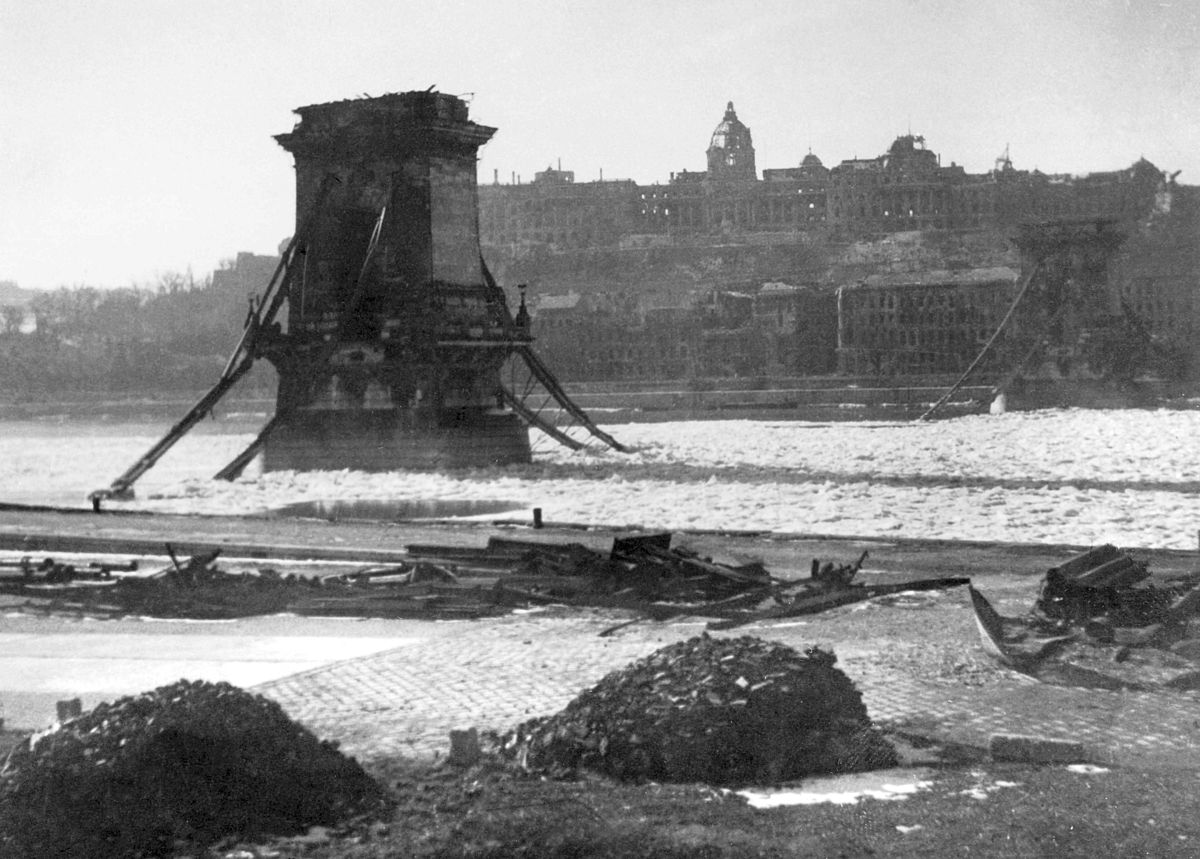 that I discovered much of the history of my birth place. It came as a total surprise
to discover that the Chain Bridge (Lánchíd) was destroyed during WWII.
I never saw the destroyed bridge, having been rebuilt before I laid eyes on it.
Bridges fall
victim to war, preventing or merely slowing down advancement, retreat or mere resupply
of essentials. There are bridges I never saw except destroyed as it was after the war.
Bridge restoration and rebuild was not completed till long after we left Hungary. Click on image to see larger image and observe the extensive damage to the structures
behind the destroyed bridge.
that I discovered much of the history of my birth place. It came as a total surprise
to discover that the Chain Bridge (Lánchíd) was destroyed during WWII.
I never saw the destroyed bridge, having been rebuilt before I laid eyes on it.
Bridges fall
victim to war, preventing or merely slowing down advancement, retreat or mere resupply
of essentials. There are bridges I never saw except destroyed as it was after the war.
Bridge restoration and rebuild was not completed till long after we left Hungary. Click on image to see larger image and observe the extensive damage to the structures
behind the destroyed bridge.
|
|
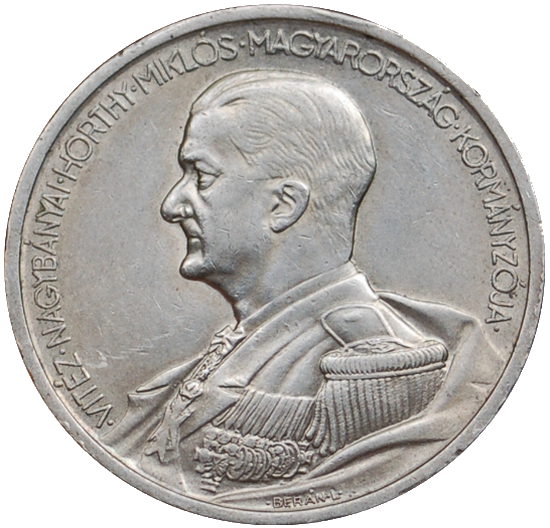
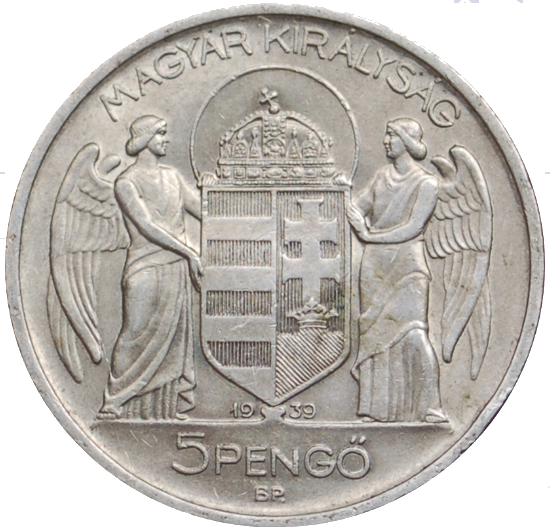
This is a silver coin (36 mm 25g = 1.42 inches .881849oz) minted in 1939, the
obverse depicting Regent Miklós Horthy with the
reverse depicting the Standard of the President. |